Tarot for low mood: Am I susceptible to depression?
Explore patterns linked to low mood, depression and emotional heaviness. Seeks insight into possible triggers, coping habits, and underlying beliefs that shape your mindset. The aim is greater self awareness, gentle validation, and practical steps towards support, rest, and healing.
Select the image your energy resonates most with and find your answers below.
Note: This is a general reading, if the energy doesn’t resonate, then the message isn’t meant for you at this moment. Take in what helps you, let go of what you don’t need.
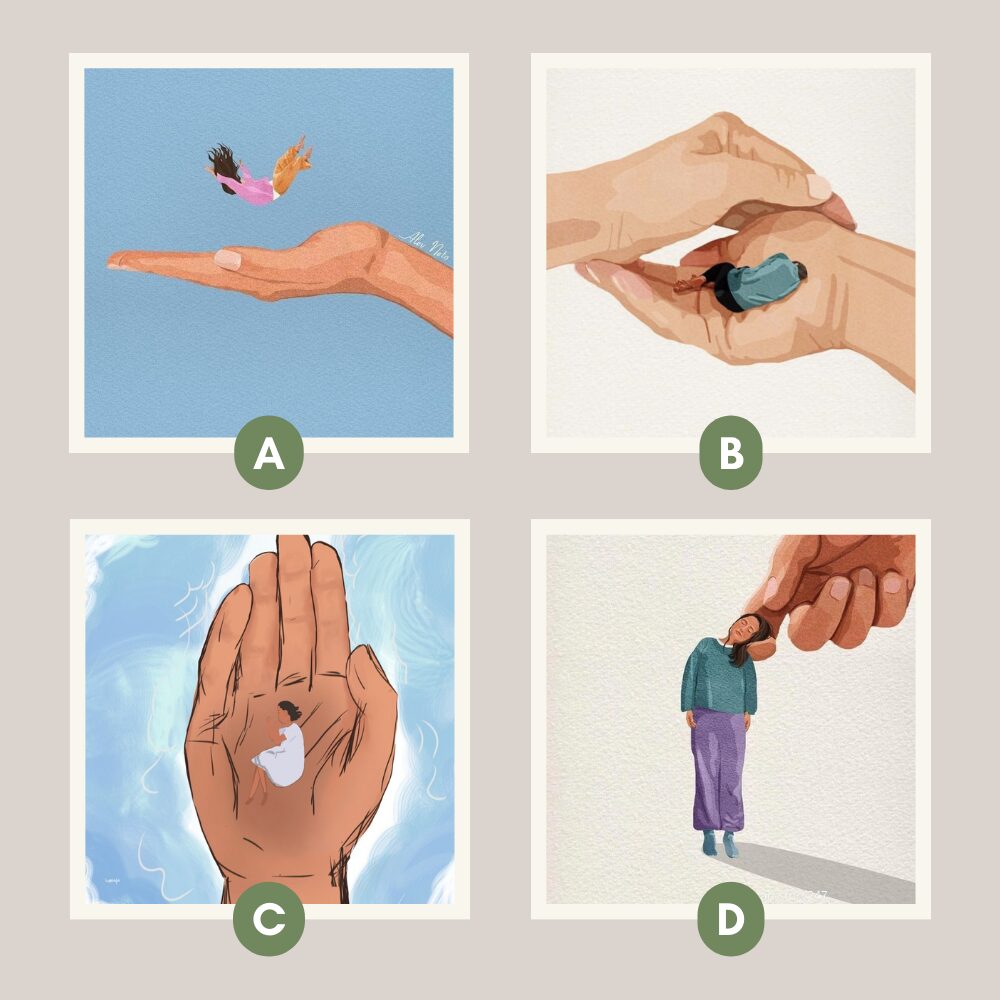
A
This suggests you may be more emotionally vulnerable than you let on.
Feelings of being left out, unsupported or isolated can weigh heavily on you at times. You might struggle silently, finding it hard to ask for help even when you need it most.
There is a tendency to internalise hardship, which can deepen emotional lows. It is important to recognise when you are carrying too much alone and to seek connection or support.
You are not weak for feeling down, everyone needs a lifeline sometimes.
Prioritising emotional wellbeing and building a safe space for expression could be vital for healing.
B
You are generally future-focused and driven by hope, but your emotional wellbeing can be closely tied to your expectations.
When progress feels slow or outcomes do not match your vision, it may leave you feeling frustrated or disheartened. You carry a strong sense of purpose, and when that feels distant or uncertain, it can quietly weigh on your mood.
While you may not be easily pulled into deep sadness, unmet goals or delayed plans can still affect your emotional state.
Staying grounded, adjusting your pace, and finding joy in small wins can help you stay balanced and protect your mental wellbeing.
C
You are passionate, energetic, and driven by impulse, often chasing excitement or new experiences.
While this brings a vibrant spirit, it can also lead to emotional highs and lows. When things slow down or you feel restricted, restlessness may turn into frustration or sadness.
You might struggle with staying still or sitting with uncomfortable feelings, preferring to keep moving rather than reflect. This constant momentum can sometimes mask deeper emotional needs.
You may not be easily overcome by depression, but mood dips can surface when your energy has nowhere to go. Creating healthy outlets and moments of calm can support emotional balance.
D
You may find it hard to fully rest or switch off, even when your mind and body are asking for a break.
There could be a tendency to push through stress or ignore signs of burnout. This constant mental activity and lack of proper rest may leave you feeling drained or emotionally low.
When you do not allow space for recovery, heavy thoughts can build up quietly in the background. You might be more susceptible to depression if you keep avoiding stillness or reflection.
Regular rest, quiet time, and emotional check-ins can help you stay balanced and prevent feelings from becoming overwhelming.